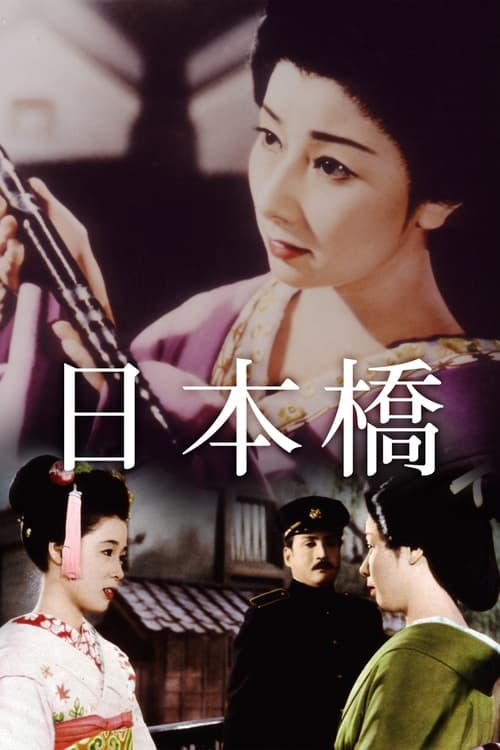
Bridge of Japan
Ichikawa's 1956 adaptation of Nihonbashi was the first to take the work of Kyoka Izumi— until then regarded as a writer of common tragic melodramas—and re-evaluate it as a tanbi-ha work of decadence, aestheticism, and intrigue. Ichikawa's film presents the tragic plot of the young geisha who is unable to enact her love for a man publicly in any way other than a histrionic story of torment, a heart-rending tale of lovers being crushed by fate. Instead, Ichikawa shows the contest of wills that transpires as two geisha, Oko and Kiyoha fight for the top spot in Nihonbashi, the pinnacle of the Tokyo geisha world. Nihonbashi is an elegant, if steely, exposition of manners. The young doctor, Shinzo Katsuragi, is the object of affection for both women, but appears to be more the choice reward for the plotting and thieving of these two early modern superwomen, than a lover they swoon over.
Crew
-
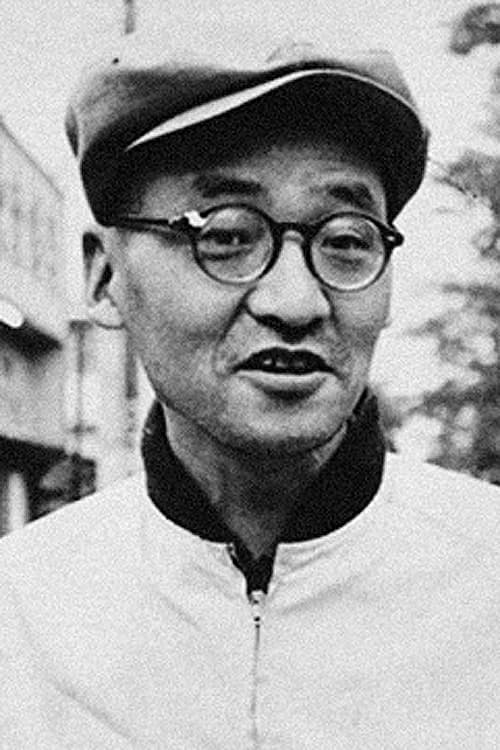
Yasuzō Masumura
Assistant Director
-

Izumi Kyōka
Original Story
-
Kimio Watanabe
Director of Photography
-
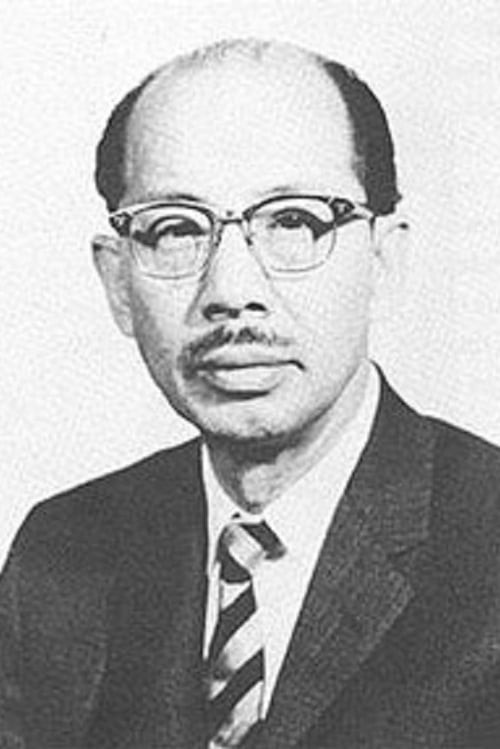
Masaichi Nagata
Producer
-
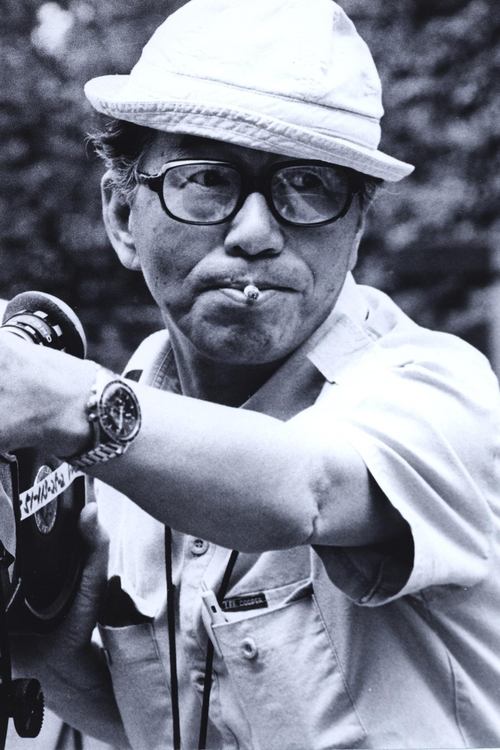
Kon Ichikawa
Director
-
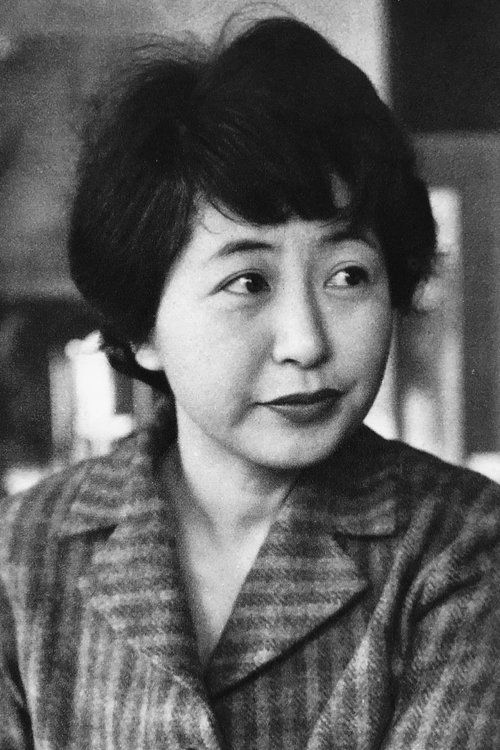
Natto Wada
Screenplay
-
Tatsuji Nakashizu
Editor
-
Tsunekichi Shibata
Color Designer
-
Tsunekichi Shibata
Lighting Technician
-
Koji Taku
Original Music Composer
-
Atsuji Shibata
Art Direction
-
Mitsuo Hasegawa
Sound Recordist
We can't find the internet
Attempting to reconnect
Something went wrong!
Attempting to reconnect

